
Why Proper Digging and Site Prep Make or Break Your System
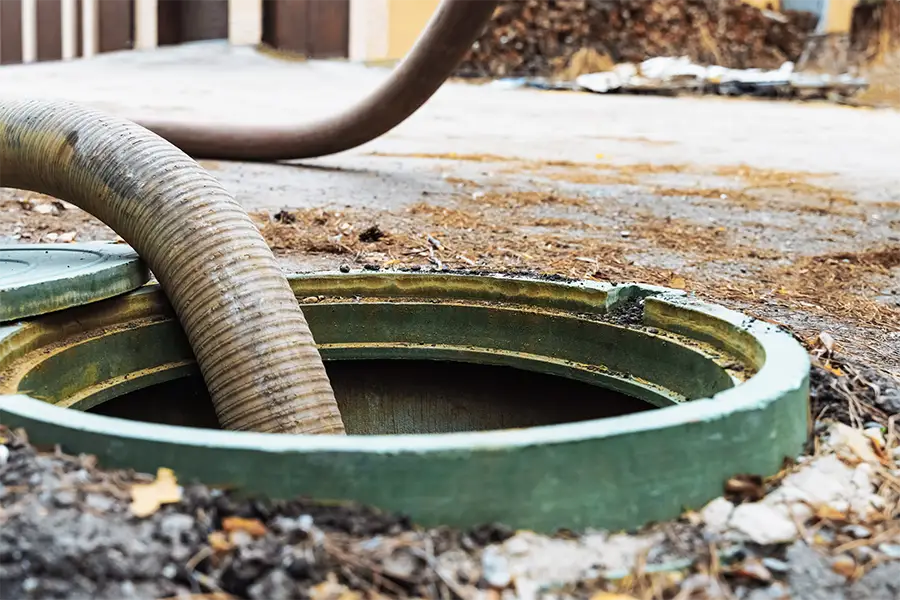
Excavation is one of the most important steps in installing a septic system. It prepares the ground for the tank, pipes, and drain field. If the digging is not done right, the system may fail, flood, or wear out too soon. Good excavation sets the base, protects nearby soil, and helps septic tank systems work the way they should for many years.
What You Need Before Excavation Begins
Before heavy equipment arrives, there are a few key things to have ready. Planning saves time and helps avoid costly mistakes.
- A soil test to see how well the ground drains
- Local permits and approved layout plans
- Utility line markings to avoid damage
- Clear access for excavation equipment
- Proper measurements for the tank and drain field
The soil test is very important. Some soil drains fast. Other soil holds water. This affects the size and type of drain field needed. Local codes also guide how deep and wide the excavation should be.
Step-by-Step: How Excavation Fits Into Installation
Excavation happens in stages during septic tank systems installation. Each step builds on the last.
- Mark the layout. The installer marks the tank spot and drain field area.
- Remove topsoil. Grass and loose soil are cleared away.
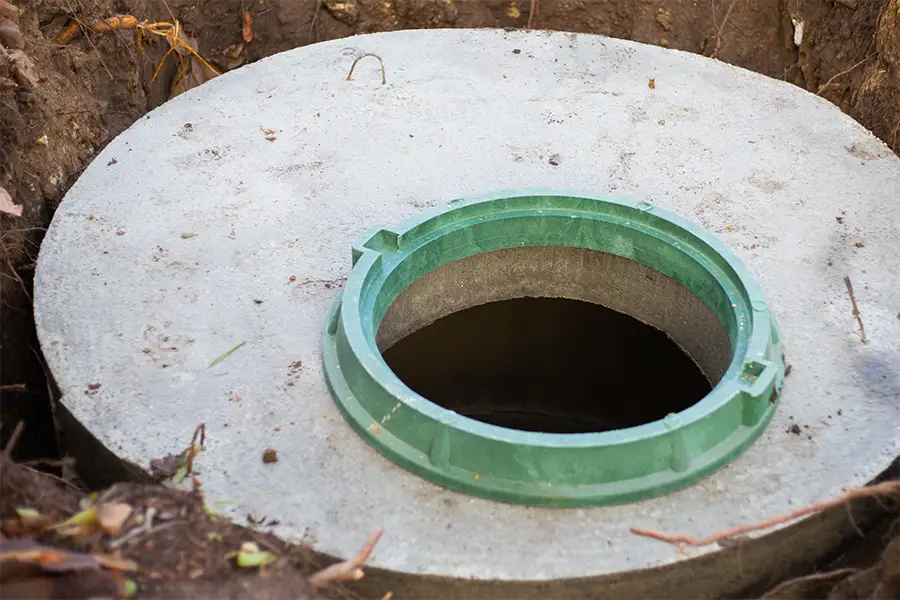
- Dig the tank hole. The hole must match the tank size with space for leveling.
- Level and prepare the base. Gravel or sand may be added for support.
- Excavate trenches for pipes. These trenches connect the home to the tank and the tank to the drain field.
- Prepare the drain field. Trenches are shaped to allow even wastewater flow.
Each cut in the ground must be the correct depth. If the tank sits too high, wastewater may not flow properly. If it sits too low, water may collect around it.
Common Mistakes During Excavation
Excavation may look simple, but small errors can lead to big problems.
- Digging too deep and weak soil support
- Overworking wet soil, which causes compaction
- Poor grading that leads to standing water
- Damaging nearby trees or structures
- Not protecting the drain field from heavy equipment
Compacted soil is one of the biggest issues. When soil is packed too tightly, water cannot filter through it. That reduces how well septic tank systems treat wastewater. It may even lead to backups inside the home.
Why Proper Excavation Protects Your Investment
A septic system is buried out of sight, but it plays a major role in daily life. Every shower, load of laundry, and toilet flush depends on it. Excavation shapes how well the system drains and how long it lasts.
Good excavation does three key things:
- Keeps the tank stable and level
- Allows wastewater to flow downhill naturally
- Supports healthy soil treatment in the drain field
When the ground is prepared the right way, repairs are less likely. The system works quietly in the background without trouble.
When to Call a Professional
Excavation for septic tank systems is not a small DIY project. It requires heavy equipment, soil knowledge, and code compliance. A trained crew knows how to read site plans and adjust for real-world conditions.
You should call a professional if:
- You are installing a new septic system
- You are replacing an old tank
- Your drain field has failed
- Your property has sloped or rocky ground
Professionals also schedule inspections during installation. This helps confirm the excavation meets local standards before the system is covered.
Making the Right Start for Long-Term Performance
Installing septic tank systems starts below ground. Careful excavation shapes the future health of the system. When the soil is tested, the layout is planned, and the digging is done with care, the entire setup works better. Cutting corners at this stage can lead to leaks, odors, and expensive repairs later on.
Get Expert Help for Your Installation
If you are planning septic work in Pittsboro, NC, we are ready to help guide the excavation and installation process from start to finish. At M & M Grading Logging and Septic Company, our team handles septic tank systems with careful planning and skilled equipment operation. Call us at (919) 261-6331 to schedule a site visit and talk about the best setup for your property.